 Our Location

Bursa Smile Design: Aesthetic Dentistry Suited to Facial Features
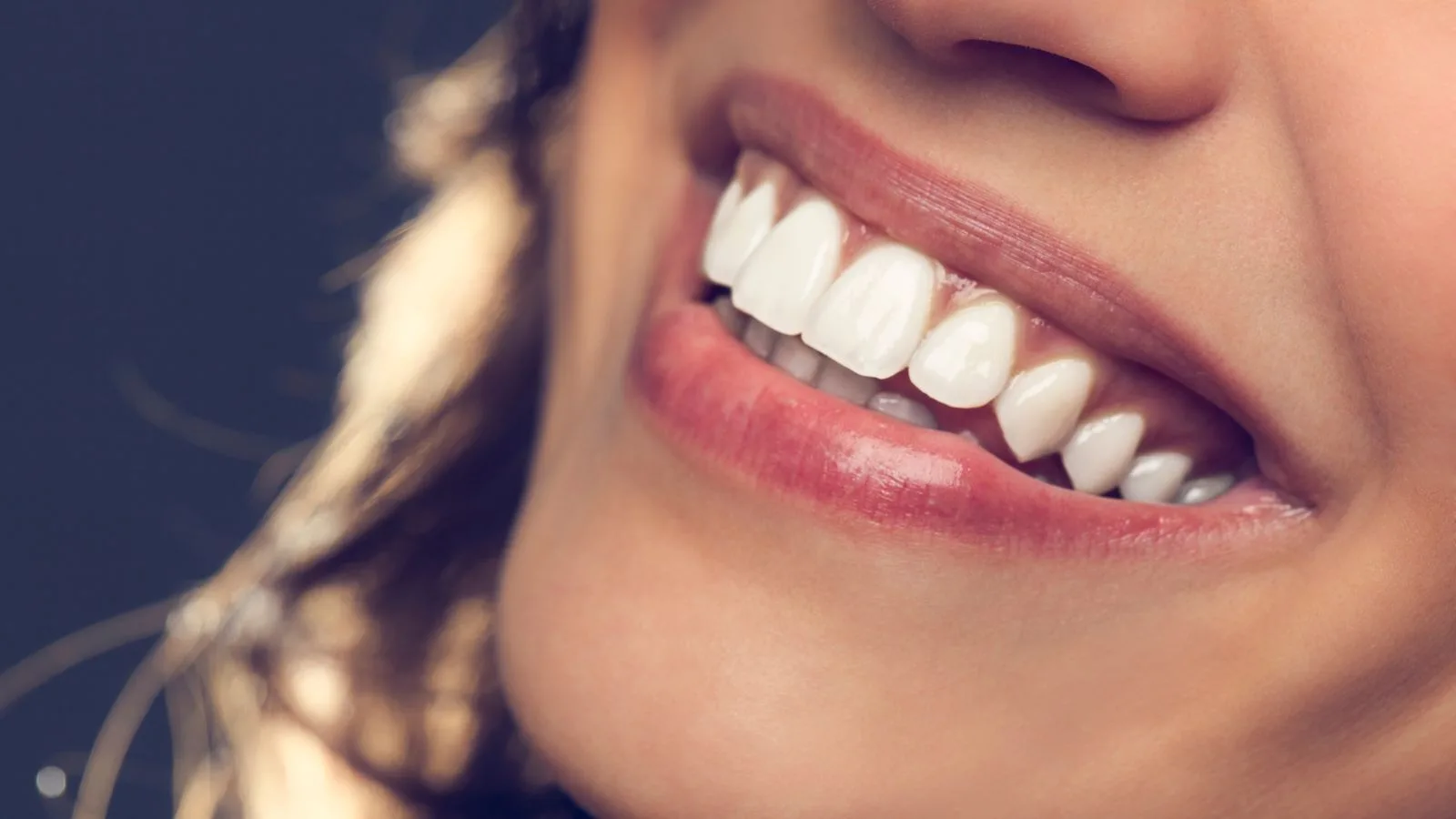
The smile, the most prominent and memorable means of expression on the human face, is directly related not only to the color or shape of the teeth, but also to the level of the gums, lip structure, and the overall harmony with facial features. The transformation of dentistry from a discipline that merely treats disease into an art form combining function and aesthetics has given rise to the concept of "Smile Design" (commonly known as Hollywood Smile). Smile design protocols applied in fully equipped dental clinics in Bursa aim to create a fully personalized, natural, and symmetrical dental alignment by analyzing the patient's facial proportions with digital systems. In this guide, the stages of smile design, the materials used, and how the process is managed are examined within the framework of scientific and aesthetic standards.
What Is Smile Design (Hollywood Smile)?
Smile design is the process of correcting aesthetic imperfections in the form, color, alignment, or gum levels of the teeth through a combination of various dental procedures to create the smile most suitable for the patient's facial proportions. This process is not about applying a single "standard tooth" model to everyone. On the contrary, it is a personalized restoration process designed by taking into account the patient's gender, age, skin tone, lip thickness, face shape (square, oval, round), and even characteristic traits (aggressive, gentle temperament).
For example, creating long and angular teeth for someone with round facial features can disrupt harmony in the face, while slightly rounding the edges of angular teeth adds a softer expression. The design process is based on calculating these millimetric details in a digital environment.
Which Treatments Are Used in Smile Design?
Achieving a perfect smile usually is not possible with a single procedure. Depending on the condition of the teeth and surrounding tissues, one or more of the following treatments may be combined within the same plan:
1. Porcelain Veneer Applications
One of the most conservative approaches in aesthetic dentistry. These are thin porcelain shells applied by removing only a millimetric (0.3 - 0.7 mm) amount from the front surfaces of the teeth (or sometimes without any removal at all). They offer superior aesthetics and light transmittance in restoring broken teeth, closing gaps between teeth (diastema), and addressing permanent discoloration.
2. Zirconium Crowns
Preferred in cases where there is significant tooth structure loss, previously large fillings, or root canal-treated teeth, and durability and aesthetics are needed at the same time. Since zirconium contains no metal in its structure, it does not cause darkening at the gum margin and provides a translucent appearance similar to natural tooth enamel.
3. Pink Aesthetics (Gum Shaping)
Having only white teeth is not enough for an aesthetic smile; the gums framing the teeth must also look symmetrical and healthy. In cases where the gums show more than normal when smiling (Gummy Smile), gum levels are painlessly reshaped using laser or cautery devices.
4. Teeth Whitening (Bleaching)
If the patient has no problems with tooth form or alignment, professional whitening performed in a clinical setting to lighten the shade by a few tones can be a standalone or supportive step in smile design.
5. Orthodontic Treatments (Clear Aligners)
In cases of severe crowding, rather than removing too much tooth structure for veneers or zirconium, the teeth are first brought into their ideal positions with clear aligners (braces-free orthodontics), and then aesthetic touches are made.
How Does the Digital Smile Design Process Progress?
Modern smile design processes applied in Bursa go beyond traditional patterns and are carried out entirely with computer-aided design and manufacturing (CAD/CAM) systems:
First Stage: Recording and Digital Analysis
In the first step of the process, high-resolution photos and videos of the patient are taken from different angles. With intraoral scanners (3D Scanner), the current condition of the teeth is transferred to the computer environment millimetrically. Using special software, reference points such as the line passing through the pupils (pupillary line), lip contours, and chin point are identified. Based on these references, the ideal lengths, widths, and axes that the teeth should have are calculated.
Second Stage: Mock-Up (Preview)
One of the most comfortable aspects of smile design for patients is being able to see the result before the procedure. The new tooth design prepared on the computer is turned into a mold (silicone key) using 3D printers. Using this mold, before any procedure (cutting/grinding) is performed on the teeth, the new design is copied into the patient's mouth with a temporary material. When the patient looks in the mirror or at a video recording, they can clearly see what kind of smile they will have when the treatment is finished. The dentist and the patient evaluate the necessary revisions together through this trial.
Third Stage: Clinical Procedures
After the final decision is made through the mock-up, the necessary gum adjustments and tooth preparations (grinding) are performed under local anesthesia. For the teeth that have been cut, a digital impression is taken again with an intraoral scanner, and temporary teeth are bonded in the same session so that the patient does not leave the clinic without teeth.
Fourth Stage: Production and Fixation
The digital measurements are sent to the laboratory. Permanent restorations are produced from blocks such as zirconium or lithium disilicate (E-max) using computer-aided milling devices (Milling). In the final session, the veneers or crowns from the laboratory are tried in the mouth, bite checks are performed, and they are permanently fixed to the teeth with special resin cements (adhesives).
Conclusion
Smile design is a comprehensive process that directly affects a person's self-confidence and creates a positive transformation in social life. Advanced dental practices in Bursa combine the patient's expectations with the precision offered by digital technologies, producing functional and highly natural-looking aesthetic results that integrate with the individual's facial features rather than artificial-looking, uniformly white teeth. The key to a successful design is to achieve maximum aesthetics with the most conservative methods while respecting the patient's biological structure (bone, gum, and enamel thickness).