
 Our Location

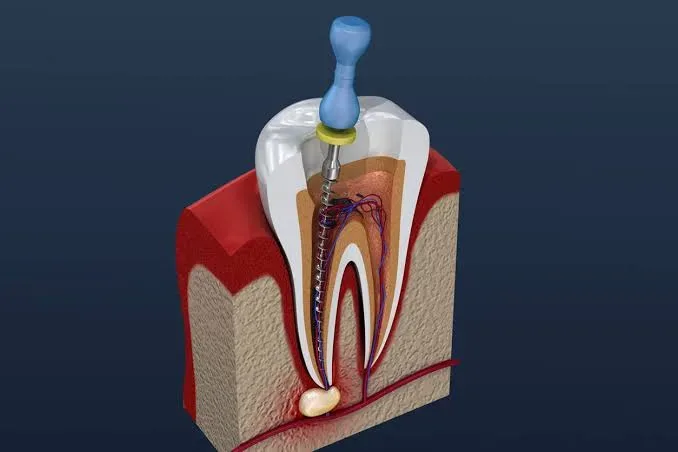
Endodontics (Root Canal Treatment) is a dental treatment aimed at preserving the natural tooth when the soft tissue inside the tooth, called the pulp, becomes inflamed, infected, or severely damaged. The pulp contains nerves, blood vessels, and connective tissue. When bacteria reach this area due to deep decay, cracks, fractures, or trauma, they can cause severe discomfort and, over time, infection.
In root canal treatment, instead of removing the entire tooth, the damaged pulp tissue is removed, the canal system inside the tooth is cleaned, and the space is filled. The goal is to keep the natural tooth in the mouth and restore its function.
What Is Endodontics?
Endodontics is the branch of dentistry concerned with the diagnosis and treatment of diseases affecting the dental pulp and the tissues around the tooth roots. Root canal treatment is one of the best-known treatments in this field.
A healthy tooth consists of several different layers. The outer enamel protects the tooth, while dentin lies beneath it. At the center of the tooth is the pulp chamber, which continues into narrow root canals. When bacteria reach the pulp, inflammation or infection may develop.
Depending on the condition of the tooth, endodontic treatment can help eliminate the source of the problem while preserving the tooth in the mouth.
When Is Root Canal Treatment Needed?
Not every toothache requires root canal treatment. However, some signs and dental conditions may indicate that the pulp has been seriously affected.
Common situations that may call for Endodontics (Root Canal Treatment) include:
Deep tooth decay reaching the pulp tissue
A cracked or fractured tooth
Severe dental trauma
The same tooth having undergone treatment more than once before
Ongoing inflammation in the dental pulp
Infection around the tooth root
Prolonged sensitivity to heat or cold
Pain when biting or chewing
Because similar symptoms may also result from different dental problems, a professional dental examination is required.
What Happens During Root Canal Treatment?
Root canal treatment generally consists of several carefully planned stages. The procedure performed may vary depending on the type of tooth, the structure of the root canal system, and the severity of the infection.
1. Examination and Diagnosis
The dentist first evaluates the patient's complaints and examines the affected tooth. Dental X-rays or other diagnostic methods may be used to assess the condition of the roots and surrounding tissues.
2. Local Anesthesia
To make the procedure as comfortable as possible, the area to be treated is usually numbed with local anesthesia.
3. Accessing the Pulp
The dentist creates a small opening in the tooth to reach the pulp chamber and root canals.
4. Removing the Damaged Tissue
The inflamed or infected pulp is carefully removed. The root canals are then cleaned and shaped in preparation for filling.
5. Cleaning and Filling
After the canals are thoroughly cleaned, they are filled and sealed with a suitable dental material. Proper sealing of the canals helps prevent bacteria from reaching the treated area again.
6. Restoring the Tooth
The treated tooth usually requires a permanent restoration such as a filling. Depending on the condition of the tooth, a dental crown may also be placed. This helps restore the tooth's function and protect the remaining tooth structure.
Is Root Canal Treatment Painful?
One of the most common concerns patients have about Endodontics (Root Canal Treatment) is whether they will feel pain during the procedure. Thanks to modern dental techniques and local anesthesia, root canal treatment can be performed with effective pain control.
Some patients may experience mild sensitivity or pain after treatment. This may be related to inflammation in the tissues around the treated tooth and usually decreases as the tissues heal. If severe or long-lasting pain, swelling, or other unusual symptoms occur, the dentist should be consulted.
Benefits of Endodontics (Root Canal Treatment)
The most important advantage of root canal treatment is that it can help preserve a natural tooth that would otherwise need to be extracted. Preserving the natural tooth can also contribute to maintaining normal chewing function and the overall alignment of the teeth.
Its main benefits are:
Helps preserve the natural tooth.
Eliminates infected or damaged pulp tissue.
May help relieve symptoms caused by pulp inflammation or infection.
Helps restore normal chewing function.
May prevent the need for tooth extraction.
Allows the tooth to be restored and used normally.
Whether the treatment is appropriate should be evaluated according to the individual condition of each tooth.
What Should Be Done After Root Canal Treatment?
Proper care after treatment is important for protecting the restored tooth. Until the permanent restoration is completed, patients may be advised to avoid putting excessive pressure on the treated tooth.
Good oral hygiene should be maintained after treatment. Important habits include:
Brush your teeth regularly using the proper technique.
Clean between your teeth with dental floss or another method recommended by your dentist.
Attend your check-up and follow-up appointments regularly.
If your dentist recommends it, avoid chewing very hard foods with the tooth that has recently had root canal treatment.
Inform your dentist if unusual pain, swelling, or discomfort develops.
Protect the permanent restoration from excessive force.
A tooth that has undergone root canal treatment also needs regular dental care. This is because the structures surrounding the tooth and the gums remain vulnerable to various dental problems, just like other teeth.
Can a Tooth That Has Had Root Canal Treatment Become Infected Again?
Although root canal treatment can be highly effective, problems can sometimes develop again in a treated tooth. New decay, leakage around the restoration, an undetected canal, complex root anatomy, or a fracture in the tooth may contribute to recurrent infection.
For this reason, regular dental check-ups remain important even after a successful root canal treatment. Early evaluation can help detect potential problems before they become more complicated.
More information: https://www.dtgroupclinics.com/blog
Who Can Benefit from Root Canal Treatment?
Endodontics (Root Canal Treatment) may be suitable for patients with irreversible damage or infection in the dental pulp whose teeth can still be restored. However, the treatment decision should always be based on an individual dental examination.
The dentist may evaluate the following factors:
The condition of the tooth structure
The extent of the infection
The shape and number of root canals
The condition of the surrounding tissues
The possibility of restoring the tooth after treatment
The patient's overall oral and dental health
Conclusion
Endodontics (Root Canal Treatment) is an important dental treatment aimed at preserving the natural tooth while removing infected or damaged pulp tissue. It may be used in cases involving deep decay, trauma, cracks, or other problems affecting the inside of the tooth.
With the right diagnosis, appropriate treatment, proper restoration, and regular oral care, a tooth that has undergone root canal treatment can continue to play an important role in daily chewing and oral function for a long time.
For people experiencing persistent toothache, swelling, sensitivity, or discomfort when chewing, it is important to seek a professional dental evaluation. Only a qualified dentist or endodontist can assess whether root canal treatment is appropriate in a given case.